

Getting older brings changes, but healthy aging is about more than genetics. The daily choices we make—how we move, eat, rest, and connect with others—have a lasting impact on our ability to stay strong, independent, and confident at home.
Healthy aging at home is possible with small, steady habits that support strength, independence, and connection. Families often share that their goal is to avoid unnecessary hospital visits and continue living safely at home. Home care helps make that possible by supporting routines that promote healthier and more independent living. The good news is that many of the most effective strategies are practical and straightforward.
Here are eight essential habits that can make a difference for older adults, along with tips on how caregivers can help put these habits into practice.
1. Exercise for Strength, Balance, and Independence at Home

Movement keeps the body strong and helps maintain independence. Adults who stay active are less likely to experience falls, and those who do often recover more quickly. According to the CDC, older adults should aim for at least 150 minutes of moderate-intensity activity each week, along with exercises that focus on balance and muscle strengthening.
Even short bursts of “exercise snacks” can help you maintain physical fitness.
Helpful activities for seniors
- Walking, swimming, or cycling for heart and lung health
- Light strength training with weights or resistance bands to protect bones and muscles
- Balance practices such as yoga, tai chi, or heel-to-toe exercises
PurposeCare caregivers often encourage safe movement during visits, whether that’s a short walk around the house or a few chair exercises. Gentle activity not only strengthens muscles but also lifts spirits.
Caregiver tip:
Encourage short activity breaks throughout the day. Even five minutes of stretching or walking can keep joints flexible and support independence.
2. Eat Well and Stay Hydrated

Nutrition fuels both body and mind. A balanced diet supports healthy aging at home by maintaining energy, regulating weight, and improving mood, while also lowering the risk of conditions such as heart disease and diabetes. As we age, protein and fiber become especially important.
Nutrition and hydration tips for healthy living at home
- Protein: Eggs, poultry, beans, and fish help preserve muscle mass.
- Fiber: Whole grains, fruits, and vegetables support digestion.
- Omega-3 fatty acids: Found in salmon, walnuts, and flaxseed for heart and brain health.
- Calcium and vitamin D: From dairy or fortified alternatives to protect bones.
Hydration is just as important. Because the sense of thirst decreases with age, many older adults don’t realize they’re dehydrated. PurposeCare caregivers help by preparing balanced meals, offering water regularly, and noticing early signs of dehydration.
Caregiver tip:
Keep water within easy reach and offer nutrient-dense snacks, like fruit or yogurt, between meals.
3. Keep Up with Preventive Care

Preventive care helps identify issues early and prevents small concerns from developing into major health problems. For many seniors, it can be challenging to keep track of appointments and follow up on instructions. Home health services from PurposeCare make it easier by bringing care into the home.
Screenings and check-ups to ask about
- Blood pressure and cholesterol checks
- Screenings such as mammograms, colonoscopies, and prostate exams as recommended
- Vaccinations for flu, pneumonia, and shingles
- Annual eye and dental exams
PurposeCare nurses and aides often provide reminders, monitor changes, and share updates with families, reducing the stress of managing health alone.
4. Prioritize Sleep and Rest
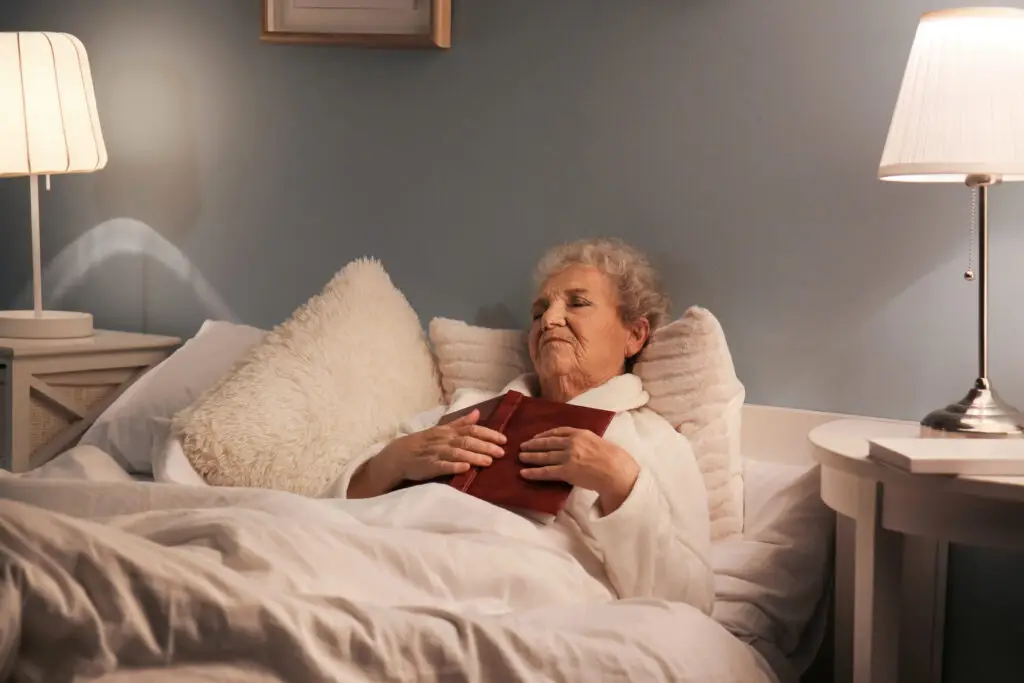
Quality sleep supports nearly every aspect of health, from memory and concentration to immune strength. Yet many older adults struggle with rest due to pain, medications, or irregular routines.
Tips for better sleep
- Keep a consistent bedtime and wake time
- Limit caffeine later in the day
- Create a calming nighttime routine, like reading or light stretching
- Make the bedroom dark, cool, and quiet
Caregivers can help by encouraging a steady routine and creating a calm environment before bed. PurposeCare aides often notice patterns that families might miss, such as nighttime restlessness or frequent waking, and can help address them.
Caregiver tip:
Encourage winding down at the same time each night. Small routines, like dimming the lights or offering warm tea, can make rest more restorative.
5. Support Mental and Emotional Health

Healthy aging is about more than physical strength. Emotional wellness and mental stimulation matter just as much. Left unaddressed, stress or loneliness can take a toll on health.
Ways to nurture mental well-being
- Practice mindfulness or meditation for stress relief
- Read, learn new skills, or enjoy puzzles to stay mentally sharp
- Explore creative outlets like music, art, or writing
- Stay socially connected to reduce loneliness
PurposeCare caregivers know that companionship is often just as valuable as help with daily tasks. A conversation over lunch or working on a puzzle together can improve mood and reduce feelings of isolation.
Caregiver tip:
Even short daily conversations can brighten someone’s day. Listening attentively and sharing small joys builds resilience.
6. Social Connections: The Heart of Healthy Aging at Home

Strong social ties are among the most reliable predictors of healthy aging. They provide companionship, reduce loneliness, and create a sense of purpose. Older adults who remain socially engaged often report higher satisfaction and better health outcomes.
Simple ways to stay connected
- Join a senior center, church group, or community club
- Volunteer in the community
- Schedule regular calls or visits with family and friends
- Participate in group activities like walking clubs or hobby groups
When mobility makes it harder to get out, PurposeCare caregivers provide companionship and help coordinate safe participation in community activities. Sometimes, the simple presence of a familiar caregiver provides a meaningful social connection.
7. Practice Safety and Fall Prevention

Fall safety is one of the most essential parts of healthy aging at home. Falls are the leading cause of injury among older adults, but many can be prevented. A safe home environment reduces risks and builds confidence.
Fall prevention strategies for aging safely at home
- Remove loose rugs and clutter from walkways
- Install grab bars in bathrooms and railings on stairs
- Keep frequently used items within easy reach
- Ensure rooms and hallways are well-lit
PurposeCare caregivers frequently help with safety checks and can suggest practical adjustments. For clients at higher risk, home health nurses may recommend tailored balance exercises or physical therapy support.
8. Build Small Habits Into Everyday Life

Healthy aging doesn’t require major life changes. Small, consistent habits add up to lasting benefits.
Daily practices for healthy aging at home
- Begin the day with a moment of gratitude or reflection
- Stretch gently in the morning or before bed
- Take short breaks to walk, breathe deeply, or enjoy a hobby
- Keep a consistent routine to reduce stress and maintain independence
PurposeCare caregivers help reinforce these daily rhythms, from meal times to walks to simple conversations that create stability and comfort.
Healthy Aging at Home: Key Takeaways
Healthy aging at home comes down to maintaining steady routines, having a safe environment, and accessing trusted support when needed. By focusing on movement, nutrition, preventive care, rest, mental health, and social connections, older adults can continue to live comfortably and confidently where they feel most at ease.
And when extra help is needed, PurposeCare is here to support you. With both home health and home care integrated into a single, coordinated model, we provide families across Indiana, Illinois, Ohio, and Michigan with the care, companionship, and peace of mind that make healthy aging at home possible.