Falls among seniors are more than just minor accidents. They can have life-changing effects on health, independence, and quality of life. Every year, millions of older adults experience falls, and many lead to broken bones, head injuries, or even hospital stays. According to the World Health Organization, falls are the second-leading cause of accidental injury-related deaths worldwide. For families caring for aging loved ones, preventing seniors from falling is a constant concern.
The good news is that there are clear steps caregivers and families can take to reduce the risk. From home safety changes to fall prevention devices for older adults, small actions can make a big difference. This guide explains how to prevent falls in older adults with practical strategies and new tools that give both seniors and their families peace of mind.
Why Seniors Are at Higher Risk of Falling
About one in four adults over age 65 falls each year. The reasons are often a mix of health conditions and environmental risks:
Balance and strength changes: Muscle weakness and slower reflexes make it harder to recover from a stumble.
Vision or hearing loss: Poor eyesight or reduced awareness of surroundings increases the chance of missing a hazard.
Chronic conditions: Arthritis, diabetes, and heart disease can limit mobility or cause dizziness.
Medication side effects: Sedatives, antidepressants, or blood pressure drugs may cause unsteadiness.
Foot problems: Ill-fitting shoes or foot pain can reduce stability.
Household hazards: Cluttered floors, loose rugs, and poor lighting all increase the risk of injury.
The consequences of a fall go beyond physical injury. Many older adults lose confidence afterward and limit their activities, which can lead to isolation, further weakness, and a cycle of reduced independence.
How to Prevent Seniors from Falling at Home
Most falls happen at home, so that’s the best place to start prevention. Here are evidence-based steps caregivers and families can take:
1. Remove Hazards
Clear pathways of cords, clutter, and low furniture.
Secure loose rugs with non-slip backing.
Add grab bars in bathrooms and railings on both sides of stairs.
2. Improve Lighting
Install bright, even lighting in hallways and entryways.
Add nightlights in bedrooms, bathrooms, and staircases.
Use motion-activated lights for convenience and safety at night.
3. Encourage Safe Footwear
Choose supportive, non-slip shoes instead of slippers or socks.
Avoid shoes with high heels or slick soles.
4. Promote Strength and Balance
Simple exercises like chair yoga, tai chi, or resistance band workouts can build stability.
Ask a doctor about physical therapy programs for balance training.
5. Review Medications and Health Conditions
Have a provider check whether prescriptions may increase the risk of falls.
Keep vision and hearing checked regularly.
These steps are practical and low-cost, but technology can add another important layer of protection.
Best Fall Prevention Devices for Seniors and Older Adults
Families often ask not only how to prevent falls among older adults but also how to ensure quick help if one occurs. That’s where fall prevention devices come in.
Smart Lighting and Motion Sensors
Lights that turn on automatically when someone gets up at night reduce the risk of tripping.
Sensors placed in hallways or bathrooms make moving around safer without requiring switches.
Wearable Fall Detection Devices
Smartwatches, pendants, or clip-on devices can detect sudden changes in movement that indicate a fall.
Many connect directly to a caregiver’s phone or an emergency call center.
Some also track vital signs, offering a fuller picture of health.
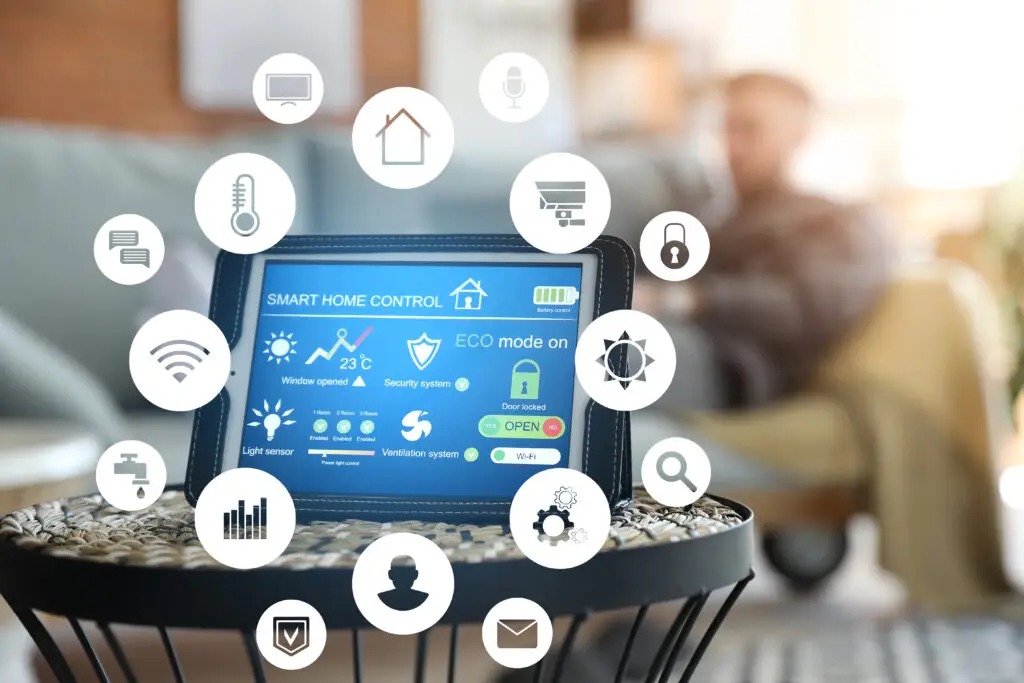
In-Home Monitoring Systems
Pressure sensors in the floor or bed can alert caregivers if someone is moving unexpectedly or hasn’t gotten up as usual.
Cameras may be an option for families who live far away, but privacy should always be considered.
Medical Alert Systems
“Push-button” pendants or wristbands allow seniors to call for help immediately.
Some models combine both manual alerts and automatic fall detection.
Beyond devices in the home, PurposeCare’s proprietary Canarai technology ensures caregivers, nurses, and family members are all aligned by reducing risks, improving response times, and providing faster updates. By combining smart tools with connected care, families can feel more confident that support will be there when it’s needed most.
How Caregivers Can Prevent Seniors from Falling
Even with the best technology, understanding how to prevent seniors from falling comes down to caregiver habits and daily routines.
Test the devices regularly to make sure alerts go through.
Integrate devices into daily routines so they become familiar rather than intrusive.
Pair devices with training: Make sure both the older adult and family members know how to respond when an alert is triggered.
Combine tech with personal care: No device replaces the value of regular exercise, safe home setups, and caregiver visits.
How to Support Seniors Emotionally After a Fall
For many older adults, the emotional impact of a fall is as serious as the physical injury. Fear of falling again can lead to avoiding activities they once enjoyed. Families and caregivers can help by:
Encouraging a gradual return to normal routines.
Offering companionship during walks or exercises.
Focusing on what the person can do safely rather than what they should avoid.
Using fall prevention devices not just for safety but also to restore confidence.
How Seamless Home Health and Home Care Reduce Fall Risks in Older Adults
Fall prevention goes beyond devices and requires dependable, coordinated care. At PurposeCare, our caregivers build safety into every visit, from noticing hazards in the home to assisting with safe mobility and daily routines.
Our Canarai technology keeps caregivers, nurses, and office staff on the same page, streamlining scheduling, documentation, and follow-up. Canarai reduces the chances of missed visits or communication breakdowns, two common issues that can increase fall risks. Families benefit from care that feels consistent, coordinated, and reliable.
Putting It All Together: A Safer Home and Peace of Mind
The goal for most families is confidence and simplicity. They want to know their loved one is safe at home, and that if something does happen, help will arrive quickly.
The most effective approach combines exercise, safe environments, and fall prevention devices for older adults that provide peace of mind:
Address home hazards with simple fixes, such as lighting and grab bars.
Encourage strength and balance with light exercise.
Review medications and health conditions with healthcare providers.
Choose fall prevention devices for older adults that fit the home and lifestyle.
Provide emotional support after a fall to rebuild confidence.
With the right mix of safe home environments, supportive caregivers, and smart devices, families can feel confident they’re doing everything possible to help prevent seniors from falling and keep loved ones safe at home.
How to Prevent Falls in the Seniors: FAQs
What are elderly fall prevention devices?The term “elderly fall prevention devices” usually refers to wearable monitors, smart lighting, and medical alert systems that help older adults stay safe and get help quickly if they fall. While “elderly” is a common search term, most professionals prefer the term “older adults” or “seniors.”How do fall detection devices work?Many devices use motion sensors or gyroscopes to detect sudden changes in movement. If a fall is detected, the device can automatically send an alert to a caregiver, call center, or emergency services.Do fall prevention devices replace the need for caregivers?No. These devices support safety and response times, but they work best when paired with regular caregiving, exercise, and home safety improvements.What’s the best way to prevent falls in older adults?The most effective strategy is a mix of approaches: remove home hazards, encourage strength and balance exercises, review medications, and use fall prevention devices for added protection.